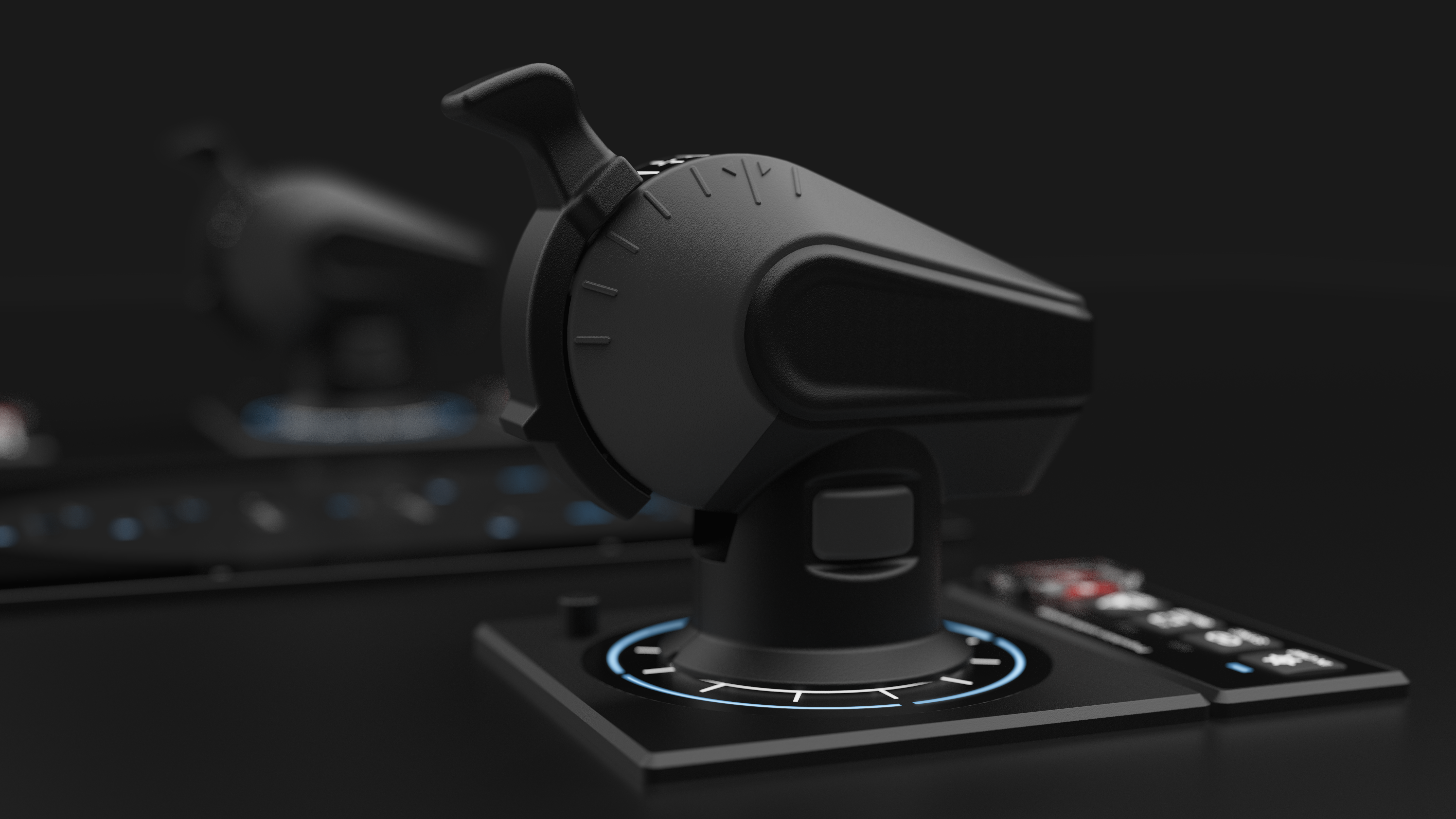
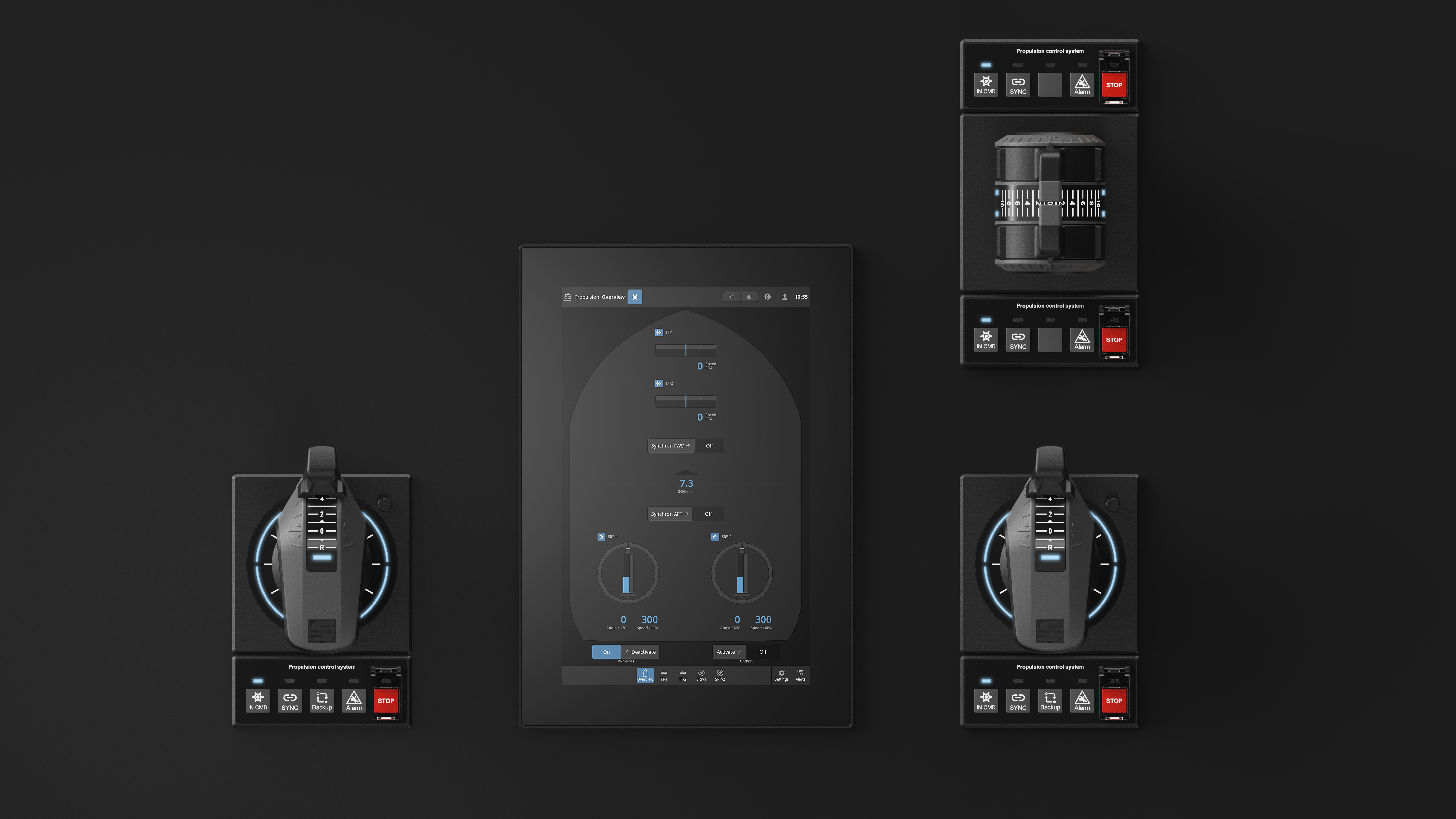
Propulsion control systems from SCHOTTEL enable reliable and economical control of propulsion systems on vessels of all types and sizes. They include a wide variety of control panels, levers, indicators and displays that can be optimally adapted to the specific requirements of each vessel. These systems provide every captain with the ultimate tool for safe and easy operation, manoeuvring and positioning.
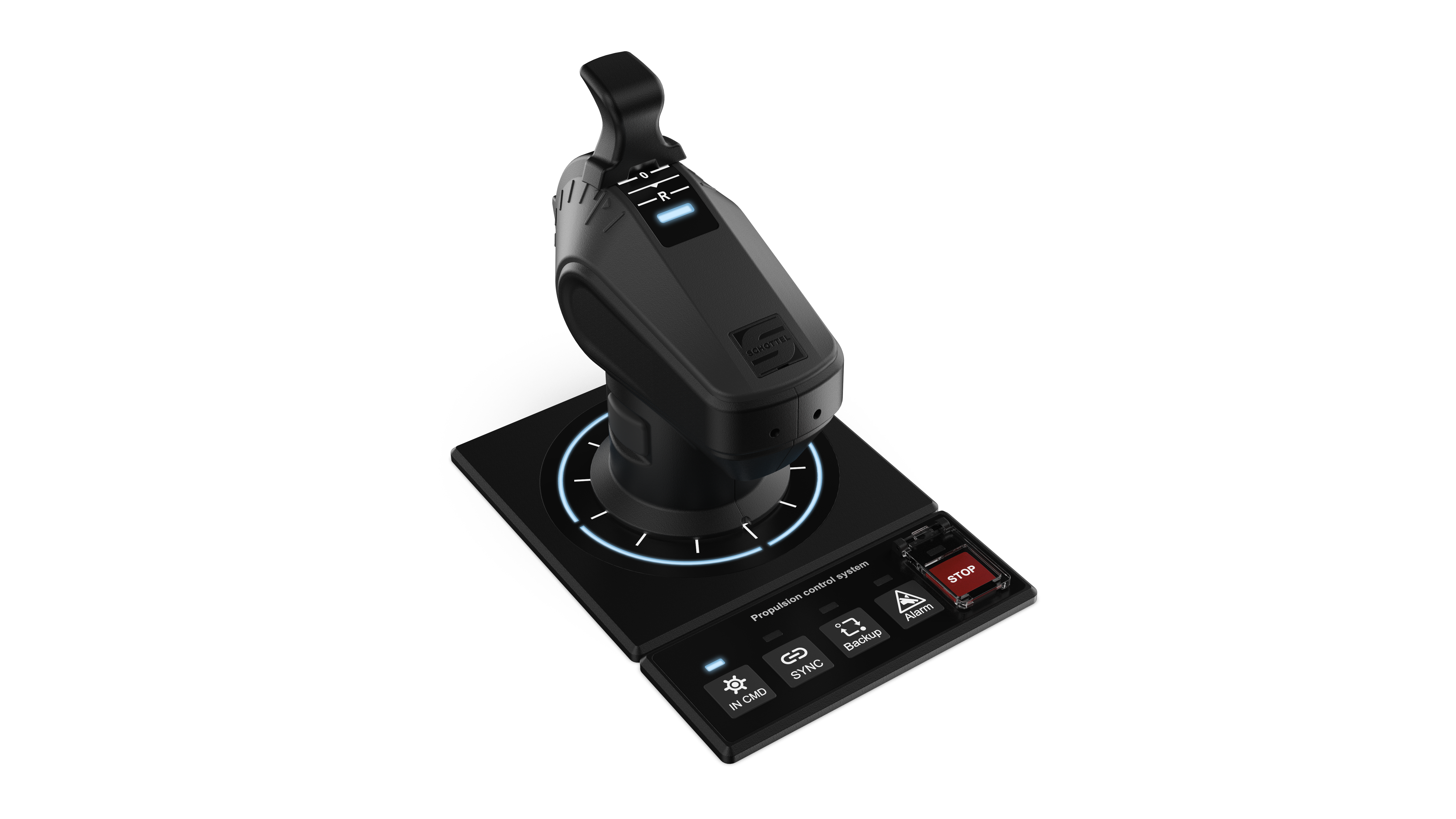
Designed for azimuth and transverse thrusters as well as controllable-pitch propellers, PropControl 4 delivers state-of-the-art propulsion and vessel control capabilities. Its modular architecture allows seamless customization to specific vessel requirements, providing optimized functions and operating modes for any propulsion configuration. The new and interactive user interface ensures ease of use even with more complex propulsion systems. Improved ergonomics, haptic feedback, and a push-to-talk interface further simplify the helmsman’s daily operations. Compliant with IACS UR E27 and IEC 62443-3 cybersecurity standards, the system features a redundant architecture that ensures uninterrupted operation via the familiar control lever, automatically switching to the FFU backup system in the event of a failure.
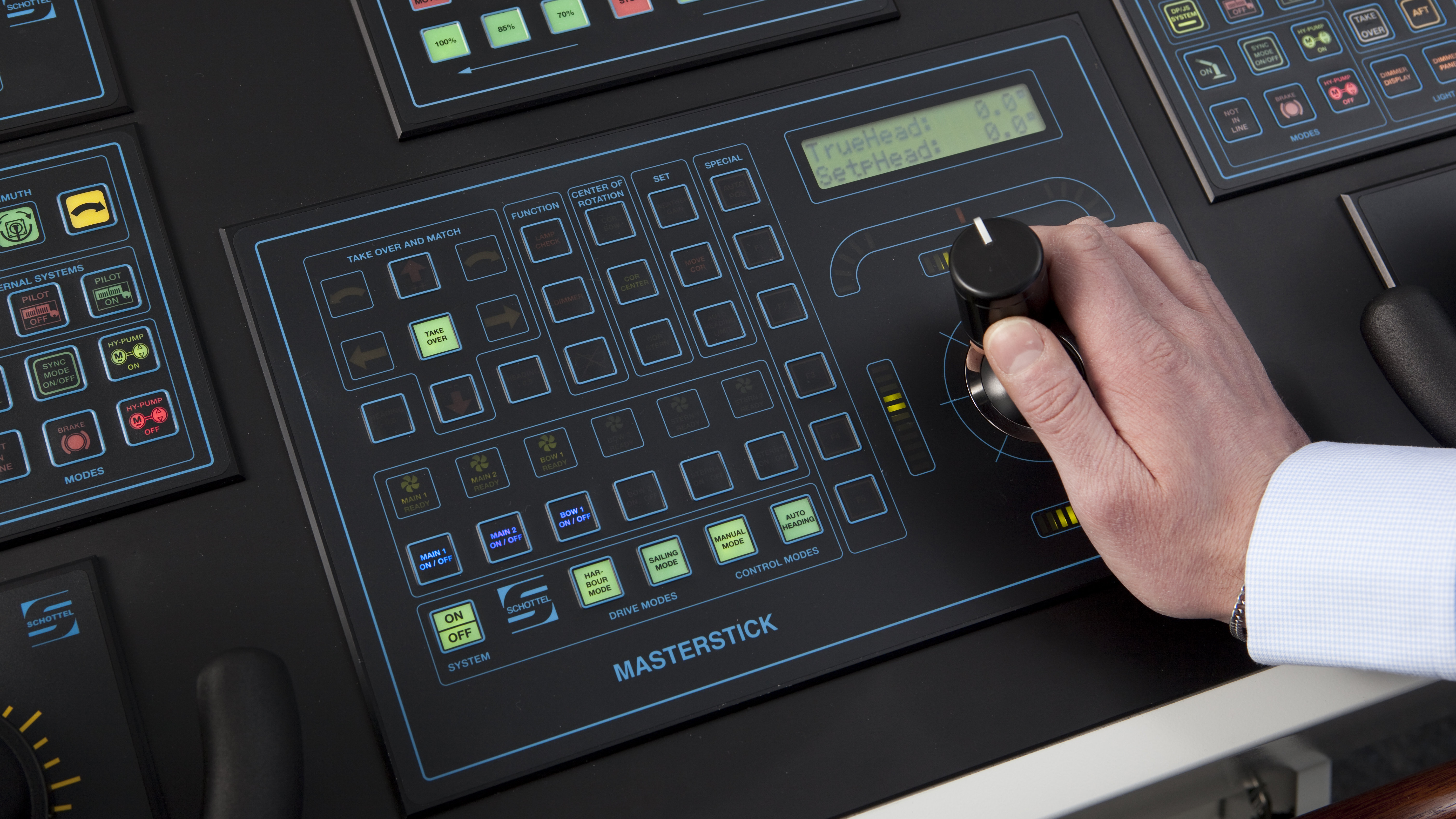
The SCHOTTEL MasterStick is a joystick system which can control up to six propulsion units simultaneously. The thrust and the alignment of the propulsion units are controlled and distributed by computer in such a way that all translational and rotational movements required for manoeuvring the vessel are executed optimally. To do so, the nautical personnel only needs to operate a single control lever. The ship's movement can thus be controlled intuitively and comfortably in any desired directions of motion or in a combination of those.
Intuitive system operation, selection of propulsion unit and operating mode
Free sailing and harbour mode allow the propulsion units to be controlled according to prevailing ambient conditions (e.g. confined waters)
Manual control or automated holding of yaw angle always available
Thruster biasing helps the ship's movement to be controlled responsively and sensitively