YOUR PROPULSION EXPERTS


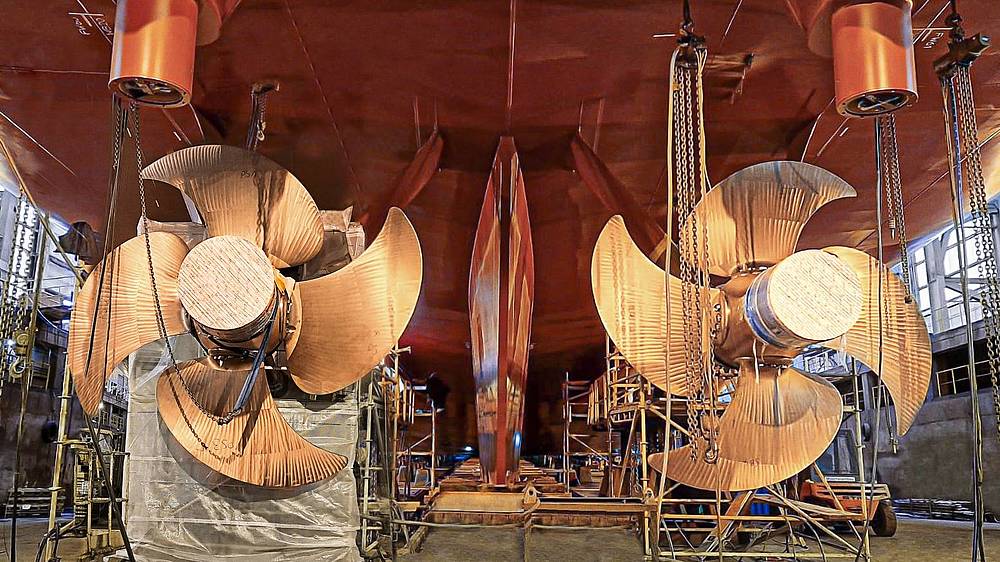
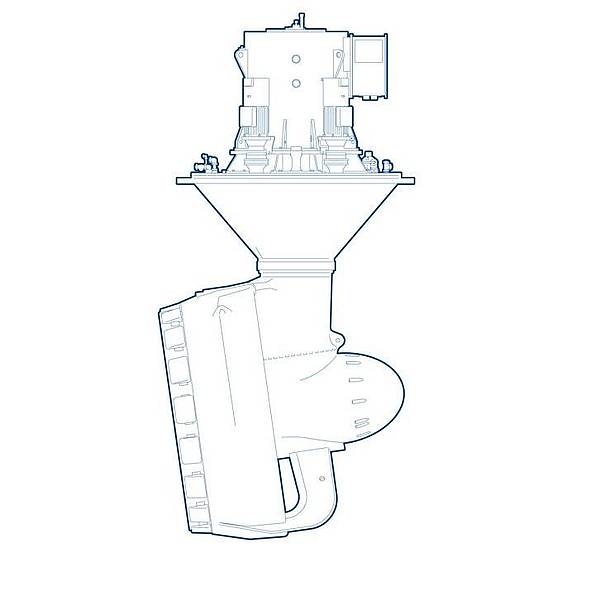
Whether it’s a trawler, cargo ship, yacht, or naval vessel – solutions for efficient construction and operation are becoming increasingly important across all ship types. Modern propulsion systems such as the SCHOTTEL ControllablePropeller SCP make a decisive contribution to this. From the hydrodynamically optimized design during the project planning phase to the retrofit of propeller blades: the SCP offers numerous advantages throughout its entire life cycle, making it a durable and cost-effective propulsion system.
From the outset of the project, SCHOTTEL experts analyze the hydrodynamic characteristics of the controllable pitch propeller using CFD simulations, tailoring them to the specific ship design. This hydrodynamic optimization offers numerous decisive advantages during operation, including reduced noise, minimized material-damaging cavitation and increased propulsion efficiency. It thus actively contributes towards compliance with international efficiency standards such as the EEDI.
With the LeaCon seal monitoring system and an in-house stern tube sealing, the SCP provides reliable protection against seawater contamination from lubrication oil during operation. Separate seals towards the seawater and towards the stern tube ensure that both incoming seawater and escaping lubrication oil are collected in an intermediate chamber. This allows the SCP to comply with strict environmental regulations. In addition, LeaCon supports the early detection of seal wear, thereby preventing unscheduled maintenance work.
The SCP is based on over 60 years of engineering experience and is designed to be both robust and user-friendly. Thanks to its high maintainability, it ensures a long service life, thereby saving resources and supporting sustainable operation.
If a vessel changes its operating profile during its service life – in order to comply with current EEXI regulations through fuel-saving slow steaming, for example – the controllable pitch propeller can be optimally adapted to the new conditions by fitting retrofit propeller blades. In addition to the savings that have been achieved through the modified operating profile, the new propeller blades have already resulted in a further 5 percent increase in propulsion efficiency. This leads to a significant reduction in fuel consumption, thereby lowering both CO2 emissions and operating costs.
With the EEDI (Energy Efficiency Design Index) and the EEXI (Energy Efficiency Existing Ship Index), the IMO has introduced two key instruments to reduce greenhouse gas emissions in international shipping. The aim is to cut carbon dioxide emissions by at least 40 percent by 2030 and to zero by 2050. The EEDI, which has been in effect since 2013, sets mandatory standards for new ships. It defines a maximum CO2 output – measured in grams of CO2 per tonne of capacity and nautical mile – and thus promotes the use of efficient technologies already during the design phase. The limit is tightened every five years to encourage innovation. Introduced in 2023, the EEXI complements the EEDI and applies to existing ships with a tonnage of 5,000 GT and above operating internationally. It assesses the energy efficiency based on actual ship data and requires operators to retrofit their fleets with technical measures such as propeller optimization.